



Ph.D. Program in Ancient Christianity
Assistant
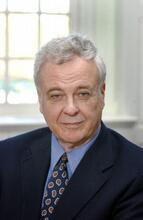
Director of Graduate Studies: Bentley Layton
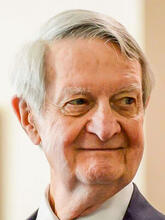
Teaching Group in Ancient Christianity: Harold
Attridge, Christopher Beeley (Divinity), Stephen Davis, Bentley
Layton, John Matthews (Classics and History), Robert Nelson (History of Art)
General Information
Courses and Requirements
Preparation for Admission
Application Procedure
Information
on the Ph.D. in Ancient Christianity
Yale is especially rich in resources for the study
of Ancient Christianity. Students benefit from
- a large, varied, and accessible graduate faculty specializing in late antiquity
- a select student body
- virtually complete library resources (Sterling Memorial Library, Divinity Library, Classics Library)
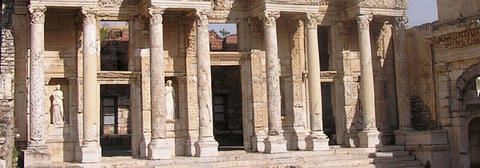
- important collections of Greek, Latin and Coptic papyri and other ancient manuscripts in the Beinecke Rare Book Library, as well as inscriptions, coins, and art in the Yale Art Gallery
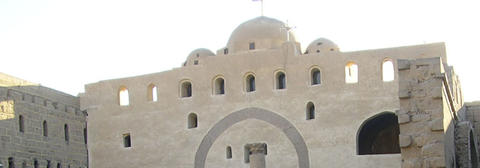
- ongoing archeological excavations and surveys of Christian monastic sites in Egypt led by Prof. John Darnell, Prof. Stephen Davis, and Prof. Bentley Layton, in conjunction with the Yale Egyptological Institute in Egypt
- close connections with other departments of Arts and Sciences (especially Classics/Roman History, History of Art, and Near Eastern Languages and Civilizations) and with the Divinity School.
The
atmosphere is interdepartmental, interdisciplinary,
and collegial: graduate students and faculty in Ancient
Christianity meet with those from half a dozen graduate
programs on antiquity every Monday for a luncheon colloquium—the
“Greco-Roman Lunch.” This informal
occasion provides an opportunity for participants to
present their own current research in a short, twenty-minute
format, or to learn about the most recent work being
conducted in other, related fields at Yale.
Through courses taken in the first three years of study, students gain a balanced expertise in the field and acquire the research techniques and languages necessary to complete a dissertation project. By the end of the seventh semester students will have completed the following exams and courses:
Four qualifying exams (the first three immediately preceded by a proseminar on the subject)
The Greco-Roman Cultural Environment of the New Testament and Early Christianity (RLST 605)
Christianity in the Second Century (RLST 655)
Christianity in Late Antiquity (fourth and fifth centuries)(RLST 608)
A fourth qualifying exam covering the third century, Christian docterine to 451, Christianity from 451 to the rise of Islam, and a special research topic chosen by the student
Minor field: at least two elective courses in
New Testament Studies, or
Roman History
Language work
Greek (Greek Syntax and Stylistics, and Patristic Greek)
Latin (an intermediate or advanced course)
Coptic and/or Syriac (each a four term sequence of courses)
Other courses
The required New Testament/Ancient Christianity Seminar (RLST 601) one term per year
Ancient Judaism (RLST 675)
A course on theories in the study of religion (elective)
Other elective courses chosen by the student in consultation with a faculty advisor
See a list of typical Yale courses in Ancient Christianity and related subjects.
The departmental requirement in French and German should be met in the first year of study since scholarly materials in these languages are typically assigned in graduate-level courses. By the end of the seventh semester, each student completes the last qualifying exam, and prepares a dissertation prospectus. The prospectus is discussed and approved by an ad hoc faculty committee with expertise in the dissertation topic, and a single faculty member usually advises the project. In the third and fourth year, students receive practical training in how to teach, under the close supervision of a faculty member. Six or seven years are usually required to complete the doctoral program. Dissertations are finally judged by three readers, and there is no oral defense.
See a list of Yale dissertations in Ancient Christianity.
Preparation
for Admission
Students preparing to seek admission to the Ph.D.
program should acquire relevent languages and study key areas
of background knowledge.
Those entering the program in this field normally have
already learned classical Greek and at least one other ancient language, such as Latin, Coptic, or
Syriac, as well as at least one of the main modern
research languages (German or French). In addition, prospective
students are expected to have done some substantial
preparatory course work in subjects such as ancient
Christian history and theology, Roman history, ancient
philosophy, classical civilization, and/or New Testament
studies.
A writing sample of five to fifteen pages must be included with the application. Applicants who apply on line should upload this as a PDF file. In addition, applicants should append a separate page listing all ancient and modern languages acquired, and the number of years studied. Questions can be addressed to the Assistant Director of Graduate Studies for Ancient Christianity, Prof. Bentley Layton (bentley.layton@yale.edu).