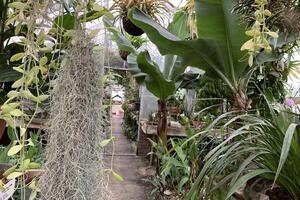
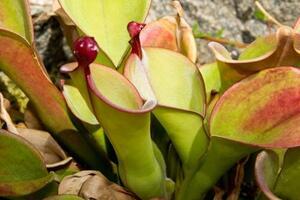
Greenhouses are open between 9 am and 4 pm Monday through Friday. If you are visiting greenhouses, press doorbell at the entrance when you arrive.
-
Explore
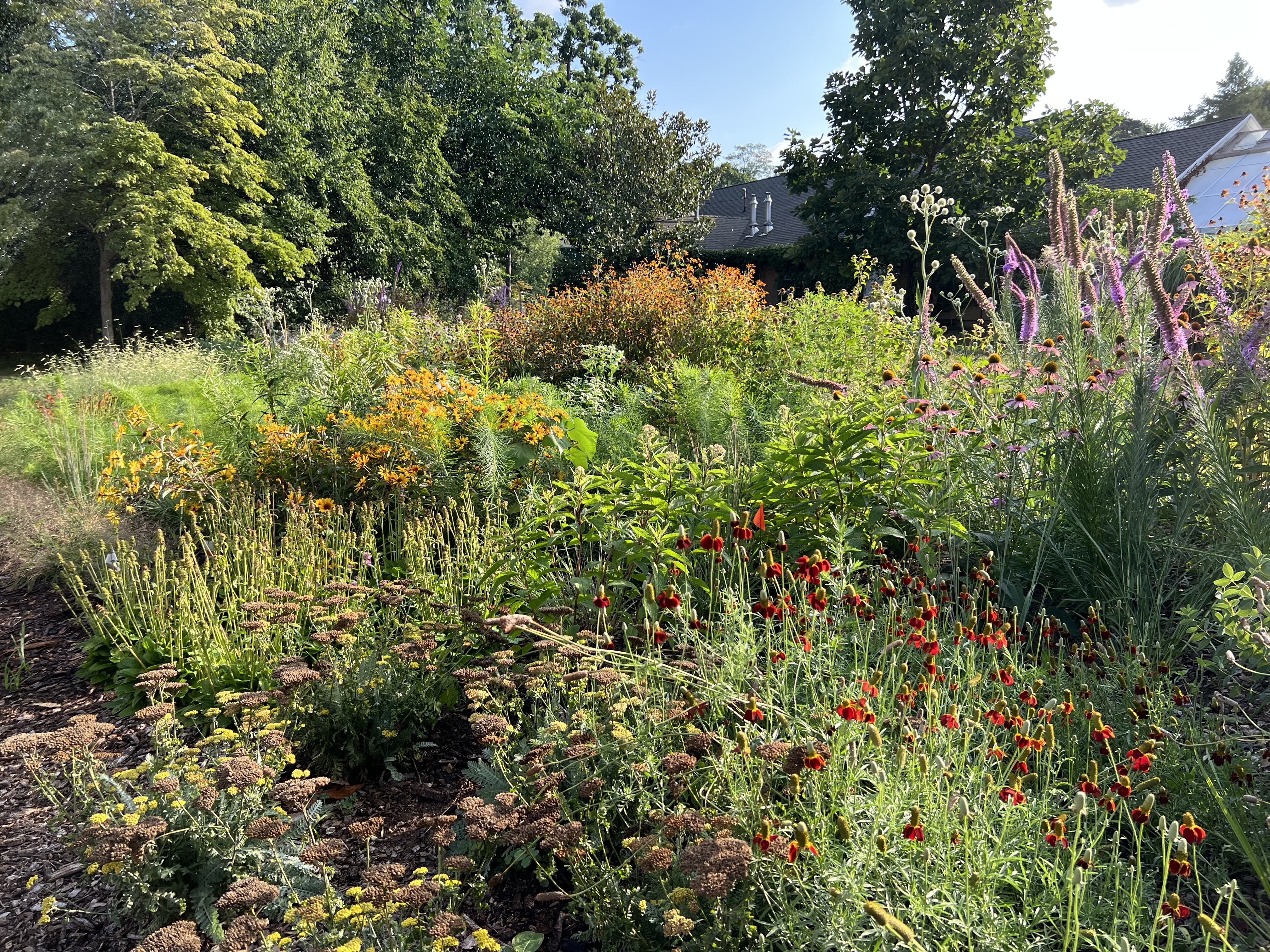
The Marsh Botanical Garden is undergoing some exciting changes. We are currently renovating and restoring our gardens and collections. Visitors are welcome to explore the Garden from Monday through Friday between 9 AM - 4 PM. Please come and be inspired by the beauty of mature trees, collections, and floral displays!
-
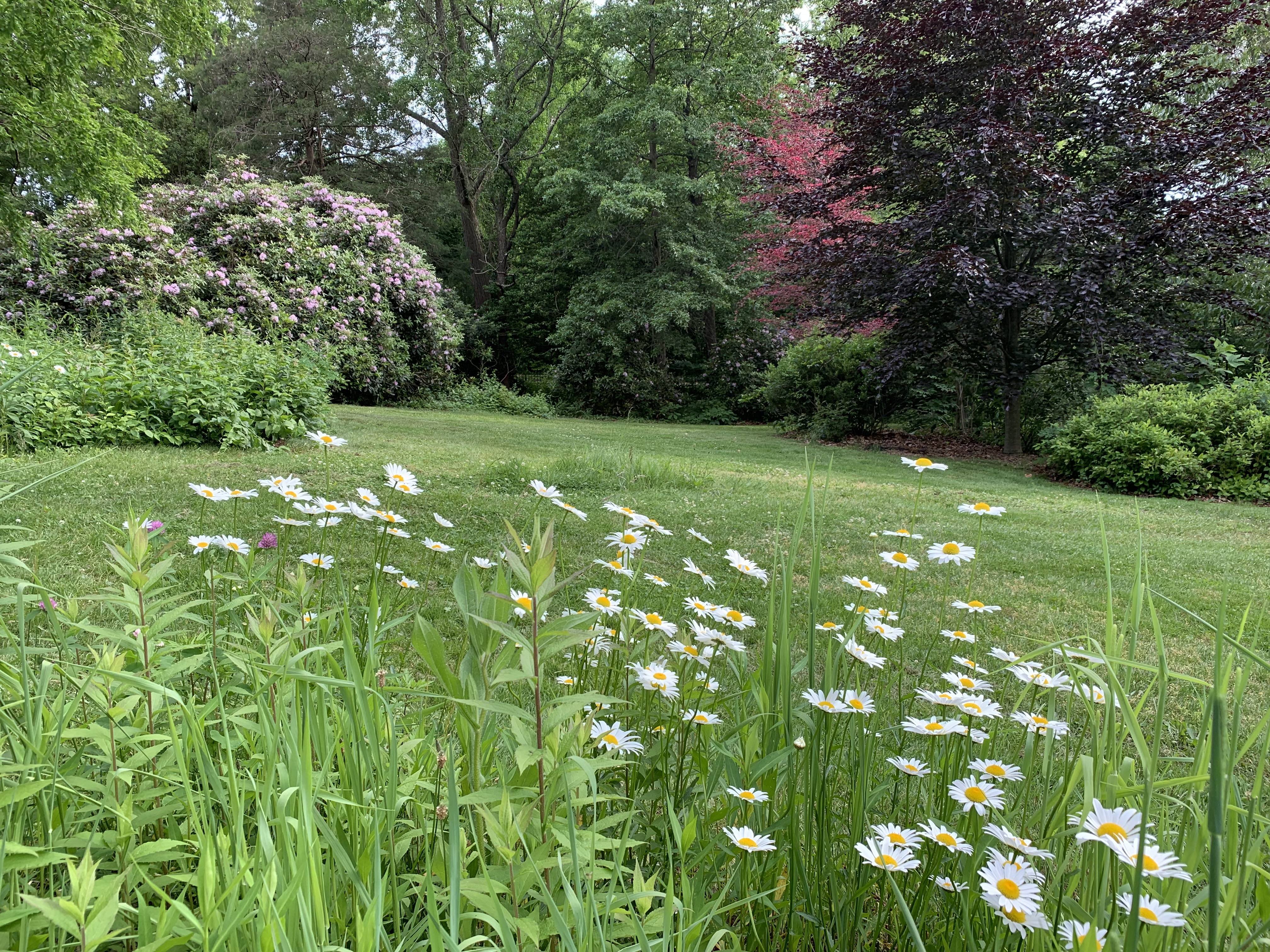
The just completed Master Plan 2022 reveals our exciting vision to transform MBG into a living museum for discovery, learning, and inspiration. Honoring Beatrix Farrand's legacy of cultivating a teaching garden, this new vision will engage audiences in promoting biodiversity conservation; showcasing sustainable landscape; and inspiring the importance of plants to life on earth.
-
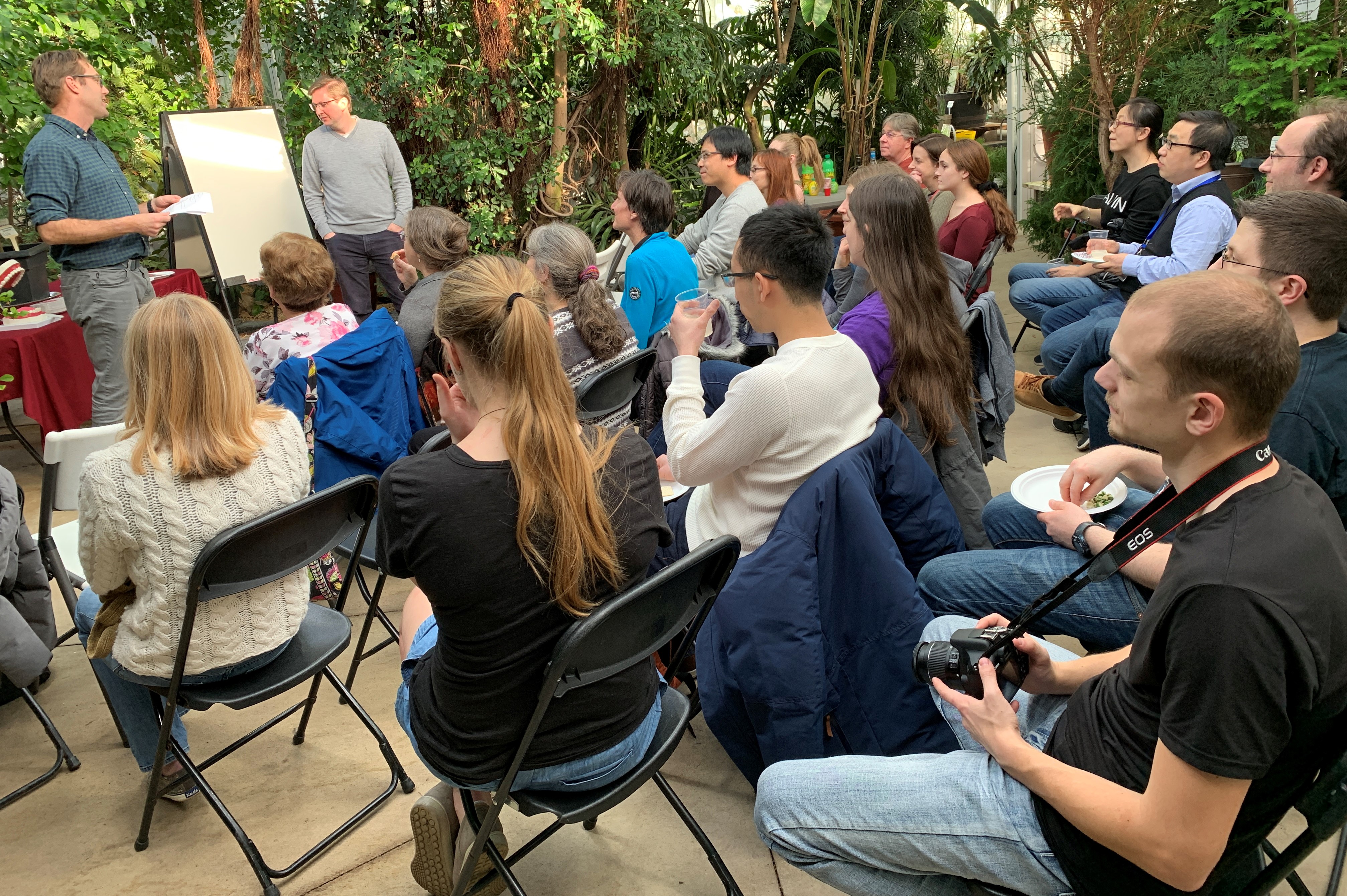
Several educational events including open houses and guided tours take place every month at the garden to highlight important and interesting topics in the plant world. All members of the Yale community and the public are welcome to attend.
-
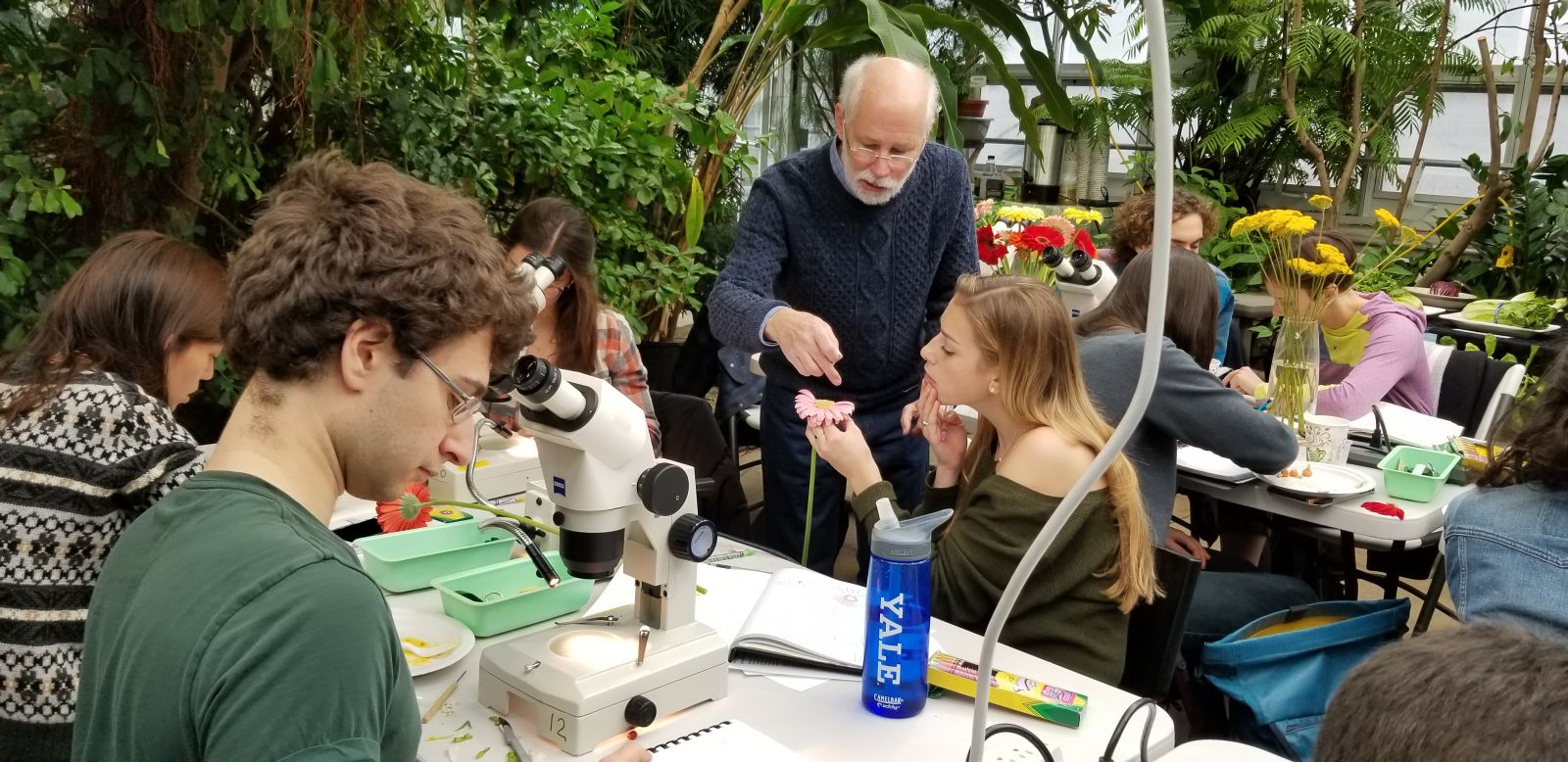
A lot of research and learning take place right in the garden. Every semester we have the pleasure of hosting several Yale undergraduate and graduate students in classes and laboratories. Some of the courses taken include plant diversity & evolution, wood structure & function. Students learn about plant clades while enjoying fruits and plant products, they get to dissect wood samples, and they make sketches of the plants they were studying.

Welcome To The Marsh Botanical Garden
Sitting on eight acres, with six greenhouses comprising around a third of an acre under glass, Marsh Botanical Garden offers support for researchers, faculty and students at Yale, as well as an informative and eye-catching experience for visitors.
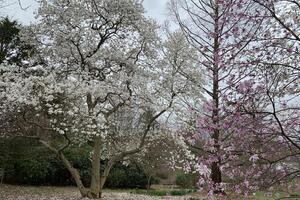
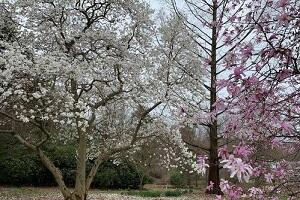
In the summer, the naturalistic beds and wildflower plantings provide color and attract birds and butterflies. In spring, bulb displays, early flowering shrubs, and trees add color to the season. Our plantings include many woody plants with surprising fall color, both from leaf and fruit display.
Our Collection
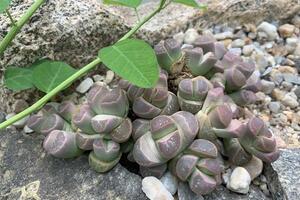
Marsh Botanical Garden provides a welcome connection with the natural world. Whether you are a plant enthusiast, teacher, researcher, conservationist, public educator, new or seasoned gardener, you will find plants of interest in our indoors and outdoor collections from all over the world, including many desert, carnivorous, rare, and endangered plant species. Our natural areas are open to the public 24/7.
News From MBG
Director's story
Fri, 02/09/2024
Reopening
Tue, 12/13/2022
Green Cafe on Miracle berries: how a plant turns sour into sweet
Thu, 03/05/2020
Green Cafe: Eternal Warfare In The Plant Kingdom

Fri, 01/31/2020
Green Cafe: We're so mint to be

Thu, 12/05/2019
Green Cafe: Try a little salt on your asparagus
Thu, 11/07/2019
Visit The Garden
Make An Impact

Our Garden could not exist without the generous support of the Yale and New Haven communities. We have several wonderful opportunities for specific projects at the Garden. We use the Master Plan that was completed in 2022 as a resource in identifying those projects, both large and small, that will help our Garden move forward in the direction of our mission statement.
Outreaches
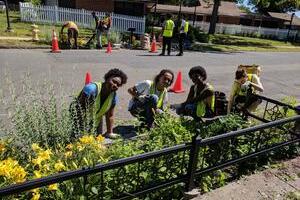
Asides offering tours and trainings to teachers and students through high school, Marsh Botanical Garden engages the community via our affiliated professors and students in different outreaches as a way of engaging the public in participation and community science. Our outreaches gives us the platforms to educate and connect with students, garden enthusiasts, and communities, both online and in-person.