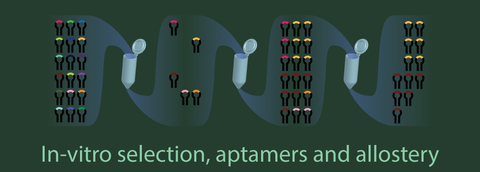
The Breaker Laboratory is exploring the enormous diversity of noncoding RNAs and DNAs. New functions for nucleic acids can be created by using “test-tube evolution” strategies to create new receptors and enzymes. Also, natural RNAs with critical functions can be found by searching for nucleotide sequences and structures that are conserved in modern organisms.
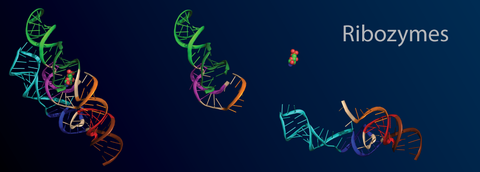
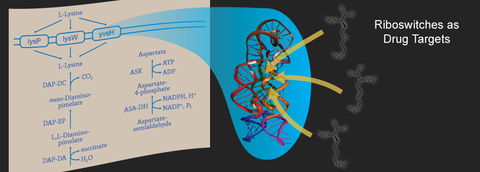
Of special interest are ribozymes and riboswitches - RNA molecules that catalyze chemical reactions or that serve as chemical sensors and gene control elements. We employ a wide range of bioinformatics, genetics, and biochemical techniques to discover and study these functional RNAs - some of which might be ‘molecular relics’ from primitive life forms that have been extinct for billions of years.
The Breaker Lab is funded by the Howard Hughes Medical Institute. Research activities have also been supported by grants from the National Institutes of Health and the Defense Advanced Research Projects Agency.